
In the heart of Arizona’s desert, learning is always an adventure, and this time, the adventure had scales, tails, and even a few big teeth! That’s why we were are thrilled to take students on a recent K12 Virtual Field Trip to the Phoenix Herpetological Sanctuary (PHS), a place where scaly creatures, big and small, find safety, care, and second chances.
Led by Conservation Educator Aries, students got a rare opportunity to see reptiles up close and learn about the ways PHS protects these often-misunderstood animals. From snakes with incredible camouflage to crocodiles with powerful jaws, every encounter helped bring science to life.
A Mission Rooted in Rescue and Education
The Phoenix Herpetological Sanctuary isn’t your average animal facility; it’s the largest reptile sanctuary in the United States. What started in 2001 with a handful of passionate reptile lovers has grown into a bustling 2½-acre sanctuary filled with more than 1,700 animals.
Some of the residents were once unwanted pets, others are rescues from illegal trade, while many are rescues brought in from animal welfare groups. PHS has even helped with large-scale rescues, like the time they took in over 570 reptiles in one trip! For some animals, the sanctuary is a temporary stop before adoption; for others, it becomes their forever home.
But PHS doesn’t stop at rescue; it’s also a classroom without walls. Each year, their outreach programs reach over 250,000 people, most of them kids and teens. From classroom visits and summer camps to professional workshops, PHS makes it clear: learning about reptiles is the first step to protecting them.
The Reptile Roundup
During the virtual visit, students got up close with some of the sanctuary’s most fascinating residents. Here are a few highlights:
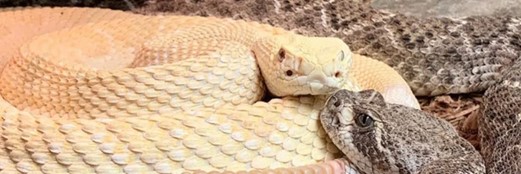
Super Snakes: Did you know that most snakes don’t have eyelids? Instead, they have a protective scale called a spectacle that covers their eyes. This helps keep their eyes safe while they slither, hunt, and explore their surroundings!
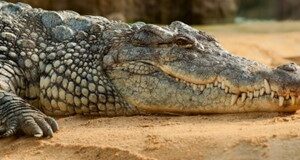
Crazy Crocodiles: Crocs have super-strong jaws that can snap shut with amazing force, but they also have surprisingly sensitive snouts that help them feel vibrations in the water. PHS gives these ancient reptiles a safe home they couldn’t get anywhere else.
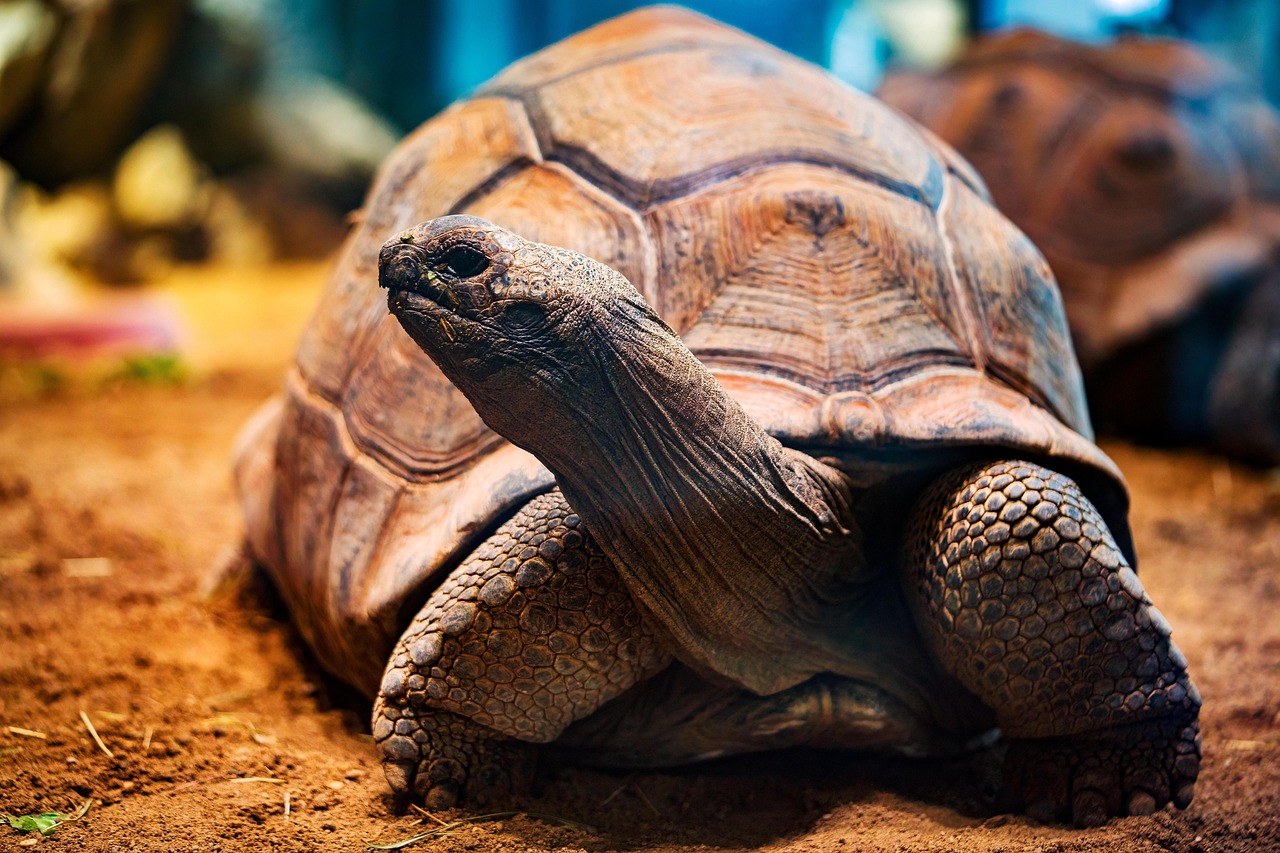
A Tortoise or Two: While fewer in number during the trip, tortoises are incredible survivors. Some species can live over 100 years! Their slow, steady pace and tough shells make them experts at weathering harsh desert conditions.
These animals weren’t just fascinating to watch; they taught students essential lessons about adaptation, resilience, and how every creature plays a role in the ecosystem.
From Crocs to Capybaras: More Than You’d Expect
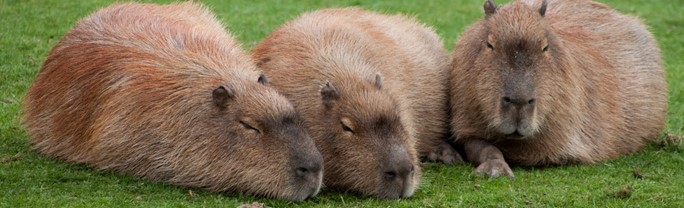
While reptiles are the stars here, students were surprised to discover that PHS is also home to some unexpected neighbors, like capybaras, the world’s largest rodents. Seeing these gentle giants alongside crocodiles and snakes shows just how diverse and welcoming the sanctuary has become.
Join the Crew for Conservation
The Phoenix Herpetological Sanctuary thrives because people care. If you’re feeling inspired, here are a few ways you can get involved:
- Join the Facility Volunteer Program: Help care for reptiles and other animals by cleaning enclosures, preparing diets, and assisting with daily activities.
- Support Through Virtual Adoption: Support a reptile from afar with a donation and receive updates about your adopted friend, helping provide food, habitats, and medical care
- Donate or Contribute Supplies: Every gift helps PHS provide proper care, food, and habitats for hundreds of animals every day.
- Shop to Support – Browse the Phoenix Herpetological Sanctuary’s online gift shop! Every purchase helps fund education, rescue, and the daily care of more than 1,500 reptiles
Even small actions, such as spreading the word, participating in programs, or making a donation, help PHS continue its essential work. Providing these animals with the care and protection they deserve.
Thanks to Aries and the Phoenix Herpetological Sanctuary, students came away with more than fun facts, they also gained respect for animals that are often misunderstood. Experiences like this remind us that education isn’t just about reading and writing. Education is also about exploring the world, building empathy, and finding wonder in unexpected places.
Are you ready for a virtual adventure? Visit our website to sign up for more K12 Virtual Field Trips and watch past sessions on demand. We can’t wait to see you there!


